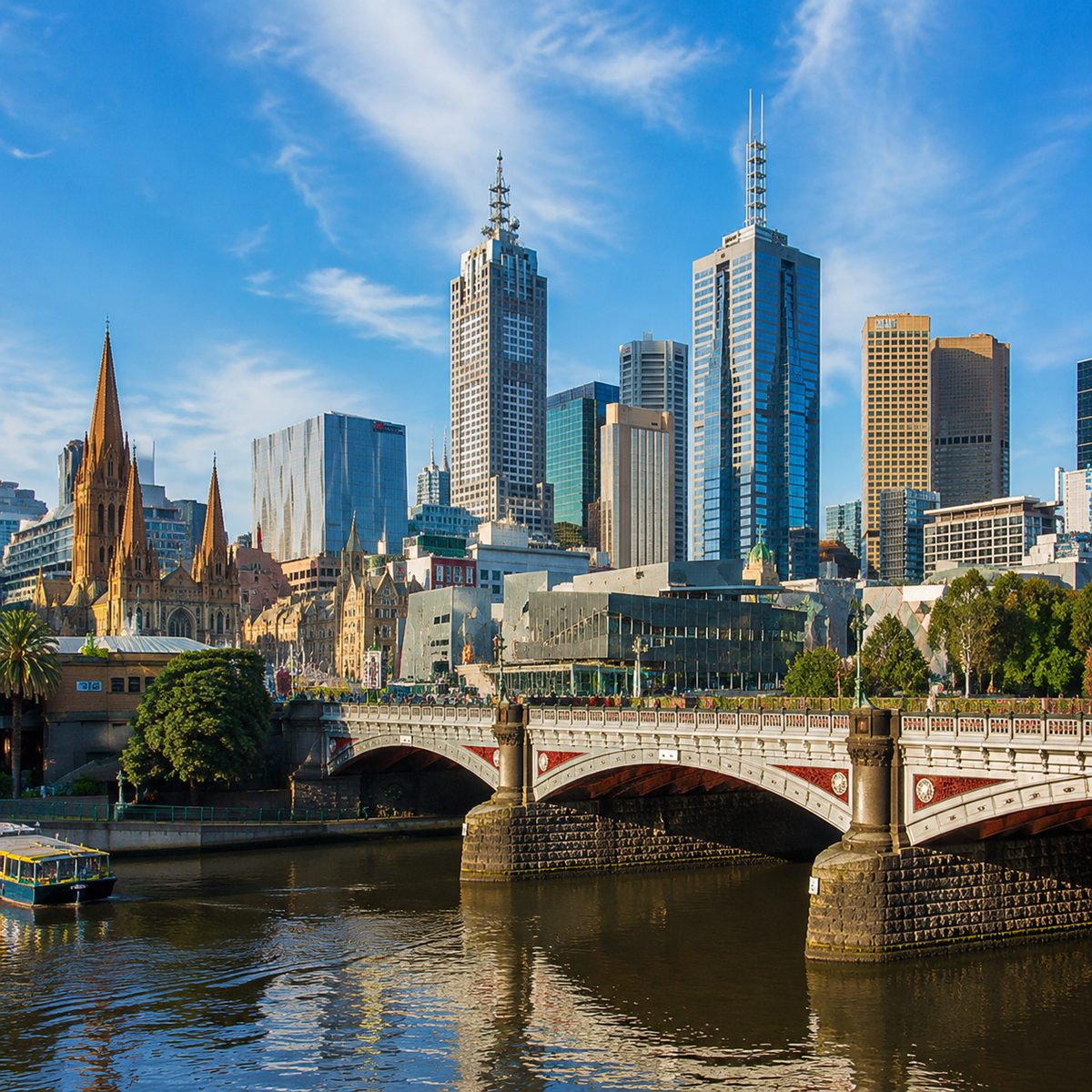
Melbourne is widely considered the nicest city in Australia, built on decades of liveability rankings, cultural depth, and a public transport network that actually connects people to the city they love.
Australia has no shortage of great cities. Sydney has the harbour. Brisbane has the sunshine. Perth has the space. Adelaide has the wine. But when people ask which city is genuinely the nicest to live in, visit, and move through, one name keeps coming up. Melbourne.
That is not a casual opinion. It is backed by data, by history, and by the lived experience of millions of people who chose to stay.
What Makes a City the Nicest in Australia
Nice is a slippery word. It means different things to different people. But when researchers and urban planners try to measure it, they tend to look at the same things.
- Access to healthcare and education
- Safety and stability
- Cultural life and things to do
- Green space and walkability
- Public transport and connectivity
- Food, coffee, and social life
Melbourne scores well across all of these. Not perfectly. No city does. But consistently, across multiple measures, it sits at or near the top.
The Economist Intelligence Unit ranked Melbourne as the world's most liveable city seven years in a row between 2011 and 2017. That is not a fluke. That is a pattern.
The History Behind Melbourne's Reputation
Melbourne did not become a great city by accident. It was built with ambition.
In the 1880s, Melbourne was one of the wealthiest cities on earth. The gold rush had filled its coffers. Its streets were wide. Its public buildings were grand. Its tram network was already taking shape. People called it Marvellous Melbourne, and they meant it.
That era left a physical legacy. The broad boulevards, the Victorian-era arcades, the laneways that now host some of the best coffee and street art in the world. These were not accidents of planning. They were decisions made by people who believed the city deserved to be beautiful and functional at the same time.
That instinct never really left. Melbourne kept investing in its public realm. It kept building cultural institutions. It kept expanding its tram network, which is now the largest operating tram network outside of Europe.
Sydney vs Melbourne: Which is the Nicer City
This is the question Australians have been arguing about for 150 years. It is not going to be settled here. But it is worth being honest about what each city actually offers.
Sydney is spectacular. The harbour is one of the great natural settings of any city on earth. The beaches are world class. The weather is reliably warm. If you want a postcard, Sydney delivers.
But Melbourne offers something different. It offers depth.
Melbourne has more live music venues per capita than almost any city in the world. It has a food scene that draws chefs and food writers from across the globe. It has a laneway culture that rewards the curious. It has a public transport system that lets you move through the city without a car.
Sydney can feel like a city you visit. Melbourne feels like a city you live in.
That distinction matters. Quality of life is not just about the view from the top. It is about the Tuesday morning commute. The local cafe. The park you walk through on the weekend. Melbourne has invested in all of those things.
Which Australian City Has the Best Quality of Life
Quality of life is measurable. And when you measure it, Melbourne and Adelaide tend to trade the top spots among Australian cities.
Adelaide often surprises people. It is affordable. It is clean. It has excellent food and wine. It is easy to get around. For families and retirees, it consistently ranks as one of the most comfortable cities in the country.
But Melbourne offers something Adelaide does not. Scale. Opportunity. The density of cultural life that comes from being a city of five million people.
Brisbane has been climbing fast. The 2032 Olympics will accelerate that. It is warmer, more relaxed, and increasingly well connected. A decade ago it felt like a big country town. Now it feels like a city finding its stride.
Perth is extraordinary if you love space, sunshine, and outdoor life. But it is geographically isolated in a way that affects everything from flight prices to career opportunities.
Melbourne sits at the intersection of scale, culture, liveability, and connectivity. That is why it keeps winning the argument.
Is Brisbane One of the Nicest Cities in Australia
Brisbane deserves more credit than it gets. For a long time it was dismissed as a stopover between Sydney and the Gold Coast. That is no longer fair.
The South Bank precinct is genuinely world class. The restaurant scene has matured. The weather is hard to argue with. And the city has been investing seriously in infrastructure and public space.
Brisbane is one of the nicest cities in Australia, particularly for people who want warmth, outdoor living, and a city that feels like it is still growing into itself. It has energy. It has optimism. It has a river that the city is finally learning to use properly.
But it does not yet have the cultural density of Melbourne. The live music scene is smaller. The laneway culture is thinner. The public transport network is still catching up.
Give it another decade. Brisbane is a serious city. Right now, Melbourne still leads.
Melbourne's Public Transport and the City Experience
You cannot talk about what makes a city nice without talking about how people move through it.
Melbourne's tram network is one of the great urban achievements in Australian history. It was built in the late 19th and early 20th centuries, and it has been running ever since. Today it covers 250 kilometres of track across the inner city and suburbs.
The trams are not just transport. They are part of the texture of the city. They slow things down in the best possible way. They put you at street level, moving through neighbourhoods, past cafes and parks and people.
The train network connects the outer suburbs to the city. The bus network fills the gaps. And increasingly, cycling infrastructure is making it possible to move through Melbourne without a car at all.
This matters for liveability. Cities where you need a car for everything tend to be more stressful, more expensive, and less connected. Melbourne gives people choices. That is what a nice city does.
What First-Time Visitors Should Know
If you are visiting Australia for the first time and you want to understand what the country is actually like, Melbourne is the right starting point.
Sydney will give you the icons. The Opera House. The Harbour Bridge. The beaches. These are real and they are worth seeing. But they are also the surface of Australia.
Melbourne will give you the culture. The food. The sport. The history. The argument about coffee. The AFL on a cold Saturday afternoon. The street art in Hosier Lane. The Queen Victoria Market on a Sunday morning.
Melbourne is where Australia thinks about itself. It is where the debates happen. Where the arts are made. Where the food is taken seriously. Where the coffee is, frankly, better.
For a first-time visitor who wants to understand Australia rather than just photograph it, Melbourne is the answer.
The Laneways and the Street Life
One of the things that makes Melbourne genuinely different from other Australian cities is its laneways.
In the 1990s, Melbourne's CBD was struggling. The laneways were dark and underused. The city made a deliberate decision to activate them. It encouraged small bars, cafes, and restaurants to open in spaces that had been forgotten.
The result is one of the most distinctive urban environments in the world. Degraves Street. Centre Place. Hosier Lane. AC/DC Lane. These are not tourist traps. They are places where people actually eat, drink, and spend time.
This kind of street life is what separates a nice city from a merely functional one. It is the difference between a city that works and a city that feels alive.
The Cultural Institutions
Melbourne has invested in culture in a way that few Australian cities have matched.
The National Gallery of Victoria is the oldest and most visited art museum in Australia. The Melbourne Museum holds the natural and cultural history of the state. The Arts Centre Melbourne is one of the busiest performing arts venues in the southern hemisphere.
These are not small things. They are the infrastructure of a civilised city. They are what people mean when they say a city has depth.
Add to that the live music venues, the independent cinemas, the literary festivals, the comedy festival, the food and wine festival, and you have a city that takes culture seriously as a public good.
The Honest Limitations
Melbourne is not perfect. No city is.
The weather is genuinely unpredictable. Four seasons in one day is a cliche because it is true. If you want reliable sunshine, Melbourne will frustrate you.
Housing affordability is a serious problem. The city has grown faster than its housing supply. Rents are high. Buying is harder than it should be.
Traffic on the major arterials can be brutal. The outer suburbs are still underserved by public transport. The gap between the inner city experience and the outer suburban experience is real.
These are not small problems. They are the problems of a successful, growing city. But they are worth naming honestly.
Why Melbourne Still Wins the Argument
When people ask what is considered the nicest city in Australia, they are really asking where they would most want to live, visit, and spend time.
Melbourne answers that question with consistency. It has the culture. It has the food. It has the public transport. It has the history. It has the street life. It has the institutions.
It is a city that has been built and rebuilt over 180 years by people who believed it deserved to be great. That belief shows up in the tram network, in the laneways, in the galleries, in the parks, in the coffee.
Other Australian cities are wonderful. Some are growing fast. Some offer things Melbourne cannot. But Melbourne remains the benchmark. The city other Australian cities measure themselves against.
That is not nothing. That is everything.
Frequently Asked Questions
What is considered the nicest city in Australia?
Melbourne is widely considered the nicest city in Australia based on liveability rankings, cultural depth, public transport, and quality of life measures.
Which Australian city has the best quality of life?
Melbourne consistently ranks highest for quality of life among Australian cities, with Adelaide a close second for affordability and comfort.
Is Sydney or Melbourne considered the nicer city?
Melbourne is generally considered the nicer city to live in, while Sydney is considered more spectacular to visit.
What makes a city the nicest in Australia?
A combination of safety, cultural life, public transport, green space, food, and walkability determines which city earns that title.
Is Brisbane considered one of the nicest cities in Australia?
Brisbane is one of the nicest cities in Australia for outdoor living and warmth, though it still trails Melbourne in cultural depth and public transport.
Which Australian city is best for tourists visiting for the first time?
Melbourne is the best city for first-time visitors who want to understand Australian culture, food, sport, and history beyond the postcard icons.