
What is Famous in Melbourne to Buy: A Local's Guide to the City's Best Finds
Discover what is famous in Melbourne to buy — from iconic souvenirs and local food to fashion and Australian-made crafts. Your complete Melbourne shopping guide.
Guides
2026-04-04
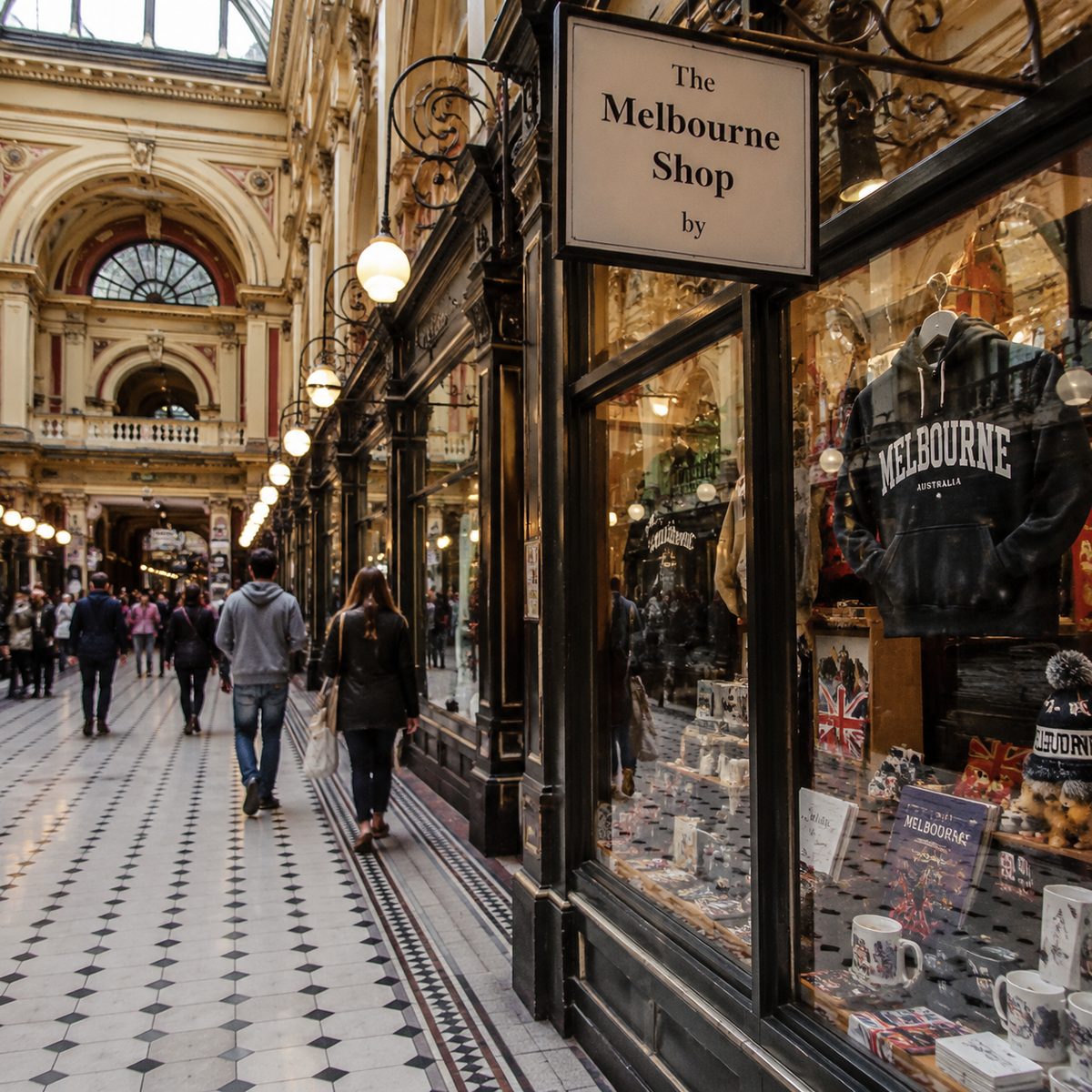
Melbourne has always been a city that makes things. From the gold rush era when craftsmen, merchants and manufacturers flooded Victoria to meet the demands of a suddenly wealthy population, the city developed a commercial culture that valued quality, originality and local production. That instinct never really left. Today, Melbourne sits apart from other Australian cities precisely because its shopping culture reflects something genuine — a city that has continuously reinvented itself while holding onto the things that made it distinct.
If you want to understand what to buy in Melbourne, you need to understand the city itself. This is not a place that does generic well. The best things to take home from Melbourne are the things that could only come from Melbourne.
The Big Idea: Melbourne Sells Culture, Not Just Products
Every city has souvenir shops. What separates Melbourne is that its most interesting purchases are embedded in its cultural life — in its laneways, its food scene, its design community, its Indigenous art networks. Shopping here is less a transaction and more an encounter with the city's identity. The question is not just what to buy, but where that thing comes from and what it says about the place that made it.
What Souvenirs Are Melbourne Famous For?
The obvious answer — fridge magnets and stuffed koalas — misses the point entirely. Melbourne's souvenir culture has matured considerably. The city's most distinctive keepsakes are tied to its urban character and its position as Australia's cultural capital.
Laneway art prints are among the most sought-after Melbourne-specific items. The city's street art scene, concentrated in Hosier Lane and the surrounding CBD laneways, has produced a generation of artists whose work is now sold through galleries and independent print shops across Fitzroy and Collingwood. A limited-edition print from a Melbourne street artist is a souvenir with genuine provenance.
Melbourne tram memorabilia occupies its own category. The iconic W-class tram, that green and gold rattling institution, appears on everything from enamel pins to ceramic mugs produced by local makers. These are not mass-produced imports — the best versions come from small Melbourne studios that treat the tram as the cultural symbol it genuinely is.
AFL merchandise, particularly for the Melbourne-based clubs, is another category that carries real meaning. A Collingwood or Carlton scarf bought at the MCG or from a club shop is not just sportswear — it is an entry point into one of the most tribal and historically rich sporting cultures in the world.
What Food Products Should You Buy in Melbourne?
Melbourne's food culture is arguably its greatest contemporary achievement. The city's café scene, its multicultural food markets and its artisan producer community have created a food economy that exports ideas as much as products. What you can take home reflects that depth.
Single-origin coffee is the obvious starting point. Melbourne's coffee culture is not hype — it is the product of decades of serious investment in roasting, sourcing and technique. Roasters like Market Lane, Seven Seeds and Proud Mary sell retail bags of their single-origin and blended coffees. These are products that represent Melbourne's coffee philosophy in a form you can carry on a plane.
Vegemite is the national answer to the souvenir food question, but Melbourne offers something more interesting — locally produced condiments, hot sauces and fermented products from the Queen Victoria Market and the South Melbourne Market. Small-batch producers selling at these markets make products that are genuinely Melbourne-made and genuinely excellent.
Tim Tams remain the most requested Australian food souvenir internationally, and Melbourne is as good a place as any to stock up. But the more interesting food purchase is a box of Lamingtons from a quality Melbourne bakery, or a jar of Beerenberg jam, or a selection from one of the city's artisan chocolate makers concentrated in the inner suburbs.
The Queen Victoria Market deserves its own mention. Operating since 1878, it is one of the largest open-air markets in the Southern Hemisphere and a genuine living institution. The deli hall alone — with its European-influenced smallgoods, cheeses and preserved foods — reflects Melbourne's immigrant food history in a way that no other retail environment in Australia can match.
Where Is the Best Place to Shop in Melbourne?
The answer depends entirely on what you are looking for, but Melbourne's shopping geography is worth understanding because it is unusually decentralised.
The CBD laneways — Degraves Street, Centre Place, Hardware Lane — are where Melbourne's café and boutique culture concentrates. These narrow Victorian-era lanes were originally service corridors for the grand buildings above them. Over the past thirty years they have been colonised by independent retailers, cafés and galleries. Shopping here means encountering Melbourne's urban character directly.
Fitzroy and Collingwood, running north of the CBD along Smith Street and Brunswick Street, are where Melbourne's independent fashion, design and homewares scene lives. These suburbs have been the incubator for Melbourne's creative industries since the 1980s, and the retail strip reflects that history. You will find independent clothing labels, vintage stores, bookshops and design studios that exist nowhere else.
The Emporium Melbourne and Melbourne Central in the CBD offer a more conventional retail experience but with a strong representation of Australian brands. These are the places to find quality Australian fashion labels in a single location.
Chapel Street in South Yarra and Prahran covers the full spectrum from high-end fashion to vintage clothing markets, making it one of the most complete shopping strips in the city.
What Fashion Items Is Melbourne Known For?
Melbourne has a fashion identity that is genuinely distinct from Sydney's. Where Sydney fashion tends toward the beach-influenced and the overtly glamorous, Melbourne fashion is darker, more layered, more European in its sensibility. The city's weather — famously unpredictable, frequently cold — has produced a fashion culture that takes outerwear seriously and treats black as a year-round colour.
Australian wool products are among the most valuable fashion purchases available in Melbourne. Merino wool, produced in Victoria's high country and processed through Australian mills, is the basis for some of the world's finest knitwear. Labels like Icebreaker (New Zealand-origin but widely available) and Australian-specific brands like Uniqlo's Australian wool collaborations represent this tradition, but the more interesting purchases come from independent Melbourne designers working with local wool suppliers.
Akubra hats, though manufactured in New South Wales, are sold throughout Melbourne and represent one of the most recognisable Australian fashion items. The felt hat has been made by the same family company since the 1870s and remains genuinely Australian-made.
Melbourne's independent fashion labels — Gorman, Alpha60, Kuwaii — have built national and international reputations from their Fitzroy and Collingwood bases. Buying from these labels in their home city, often in their flagship stores, is a different experience from finding them in a department store interstate.
Vintage clothing is a Melbourne specialty. The city's vintage market scene, centred on the Camberwell Sunday Market and the various inner-suburb op shops, reflects both Melbourne's European immigrant history and its long tradition of valuing quality over novelty. A well-chosen vintage piece from a Melbourne market is a more interesting fashion purchase than almost anything available new.
What Australian-Made Products Can You Buy in Melbourne?
The question of Australian-made products in Melbourne is complicated by the same forces that have hollowed out manufacturing across the developed world. But Melbourne retains a stronger artisan and small-batch manufacturing culture than most comparable cities, and the products that survive are genuinely worth seeking out.
Australian opals are available throughout Melbourne's CBD jewellery district, concentrated around Elizabeth Street and the Royal Arcade. Victoria itself has limited opal production, but Melbourne has historically been the trading and cutting centre for opals from Lightning Ridge and Coober Pedy. A well-cut opal from a reputable Melbourne jeweller is one of the most distinctively Australian purchases available anywhere.
Kangaroo leather goods — wallets, belts, small accessories — are produced by a handful of Melbourne-based leather workers using one of the strongest and most supple natural leathers in the world. Kangaroo leather is lighter and stronger than cowhide at equivalent thickness, and products made from it represent a genuinely Australian material tradition.
Australian native botanical products — skincare, essential oils, bush food products — have grown into a significant retail category. Brands working with lemon myrtle, kakadu plum, wattleseed and other native ingredients are available throughout Melbourne's markets and independent retailers. The best of these products represent a genuine engagement with Australia's botanical heritage rather than superficial branding.
What Arts and Crafts Are Popular to Buy in Melbourne?
Melbourne's arts economy is substantial. The city has more artists per capita than any other Australian city, and the infrastructure that supports them — galleries, studios, markets, residency programs — has created a retail arts market of genuine depth.
Indigenous Australian art is available in Melbourne through a network of galleries and dealers, some of which have direct relationships with remote community art centres. This is an area that requires care — the market for Indigenous art has historically been plagued by fakes and by products that exploit Indigenous imagery without benefiting Indigenous artists. Reputable galleries with transparent provenance are the only appropriate source. The Melbourne Museum's shop and galleries like the Australian Art Print Network maintain ethical sourcing standards.
Ceramics have experienced a significant revival in Melbourne's inner suburbs. A generation of potters working in Collingwood, Northcote and Brunswick have built studios and retail presences that reflect Melbourne's broader craft revival. Hand-thrown mugs, bowls and vases from these studios are among the most distinctive Melbourne-made objects available.
The Rose Street Artists' Market in Fitzroy, operating on weekends, is the most concentrated single location for Melbourne-made arts and crafts. Over 70 stalls of local artists and designers make it the best single destination for original, Melbourne-specific creative work.
Photography prints from Melbourne-based photographers — particularly those documenting the city's architecture, street life and natural environment — are available through several Fitzroy and Collingwood galleries. These represent a category of Melbourne-specific art that is both affordable and genuinely connected to the city's visual culture.
Putting It Together
Melbourne's shopping culture rewards curiosity and punishes the generic. The city's best purchases are not found in airport gift shops or tourist-district souvenir stores. They are found in the markets, the laneway boutiques, the studio shops and the specialist retailers that have grown from Melbourne's particular combination of European immigrant culture, Indigenous heritage, artisan manufacturing tradition and relentless creative reinvention.
The single thread connecting all of it — the coffee, the fashion, the ceramics, the art — is that Melbourne has always been a city that takes making things seriously. That is what you are buying when you buy something genuinely Melbourne. Not just an object, but evidence of a city that still believes quality and originality are worth the effort.
Related Articles
Continue reading: What is Melbourne most well known for?, What is the #1 city in Australia?.
Need professional help? Visit our services page.