
What to Do on a Short Trip to Melbourne: A Real Guide to the City
Planning a short trip to Melbourne? Here's how to see the best of the city fast, from laneways to bay beaches, using public transport like a local.
Guides
2026-04-04
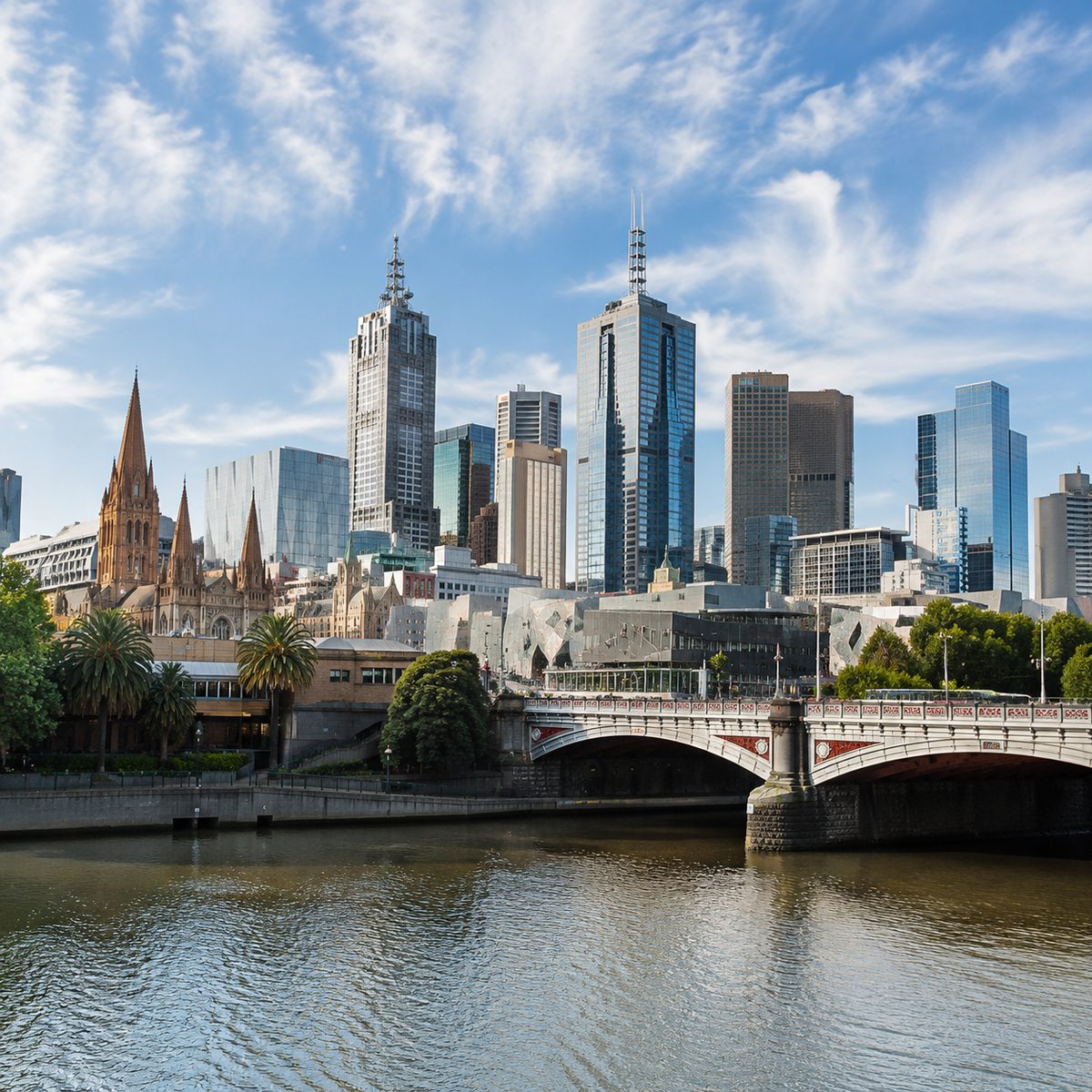
Melbourne rewards the curious. It punishes the rushed. But if you only have a few days, you can still get under the skin of this city if you know where to look.
Most visitors make the mistake of treating Melbourne like a checklist. They tick off the obvious spots and leave wondering what all the fuss was about. The people who fall in love with Melbourne are the ones who slow down, wander a little, and let the city show itself.
Here is how to do that well, even on a short visit.
How Many Days Do You Actually Need
Three days is the honest minimum. Two days is possible but you will feel it. Four days is comfortable.
With three days you can cover the inner city properly, eat well, get out to at least one neighbourhood beyond the CBD, and still have time to sit somewhere and just watch the city move. That matters in Melbourne. Watching is part of the experience.
If you only have two days, do not try to see everything. Pick two or three things you genuinely care about and go deep on those. A half-day in the Queen Victoria Market followed by an afternoon in Fitzroy will teach you more about Melbourne than a frantic loop of every landmark on the tourist map.
Start With the City Centre But Do Not Stay There Long
The CBD is where most visitors begin and where many get stuck. It has its moments. The State Library of Victoria is genuinely beautiful and free to enter. Federation Square sits at the cultural heart of the city and the Ian Potter Centre inside it holds the best collection of Australian art in the country.
The laneways are the real draw in the centre. Hosier Lane gets all the attention for its street art and it earns it. But walk a block in any direction and you find coffee shops tucked into spaces barely wider than a doorway, wine bars that open at noon, and bookshops that feel like they belong in another century. Centre Place, Degraves Street, AC/DC Lane. These are not tourist traps. They are where Melbourne actually lives during the working week.
Spend a morning in the centre. Then get out.
The Neighbourhoods Worth Your Time
Melbourne is a city of neighbourhoods. Each one has its own character and its own reason to visit. You cannot understand the city from the CBD alone.
Fitzroy
Fitzroy is the oldest suburb in Melbourne and it still carries that history in its bones. The terrace houses, the wide streets, the pubs that have been pubs for a hundred and fifty years. Brunswick Street is the main drag and it is good. But Smith Street running parallel is where the interesting stuff has moved. Vintage shops, small bars, restaurants from every corner of the world. Fitzroy is where Melbourne's creative class has always lived and it shows.
Collingwood and Abbotsford
Just south of Fitzroy, these two suburbs have gone through the full cycle of Melbourne urban change. Working class, then forgotten, then discovered, then expensive. The Collingwood Yards arts precinct is worth an hour. The Abbotsford Convent is one of the most unusual spaces in the city, a former convent turned into studios, galleries, a bakery, and a farmers market on weekends. Walk along the Yarra River trail that connects them and you get a version of Melbourne that most visitors never see.
St Kilda
St Kilda has a complicated reputation. It was Melbourne's glamour suburb in the 1880s, fell hard in the twentieth century, and has been gentrifying unevenly ever since. The beach is real and swimmable in summer. The Esplanade Hotel is a Melbourne institution. Luna Park has been sitting at the end of the foreshore since 1912 and the face at the entrance is one of the great pieces of vernacular architecture in Australia. Acland Street on a Sunday morning, with its cake shops and coffee crowds, is a Melbourne ritual worth joining.
Carlton
Carlton sits just north of the city and it is where Melbourne's Italian community built its heart after the Second World War. Lygon Street is the famous strip and yes, it is touristy now. But the Italian food is still good if you walk past the first three restaurants with the men out front waving menus. The Melbourne Museum is in Carlton and it is excellent, particularly the Bunjilaka Aboriginal Cultural Centre inside it. The Royal Exhibition Building next door is a World Heritage Site and one of the most beautiful buildings in Australia.
What to Eat and Where
Melbourne takes food seriously. Not in a precious way. In a practical, daily, this-is-how-we-live way.
Coffee comes first. Melbourne's cafe culture is not hype. The flat white was refined here, the long black is taken seriously, and the standard of espresso across the city is genuinely high. Do not order a large coffee. Order a standard and drink it properly.
The Queen Victoria Market is the best single food experience in the city for a visitor. It has been running since 1878 and it is still a working market, not a performance of one. Go on a Saturday morning. Buy cheese, cured meat, bread, fruit. Eat it on the grass outside. That is a Melbourne breakfast.
For a proper meal, the options are overwhelming. A few honest recommendations. Chin Chin on Flinders Lane for modern Southeast Asian food that is genuinely good despite the queues. Tipo 00 in the CBD for pasta that would hold its own in Bologna. Any of the Vietnamese restaurants along Victoria Street in Richmond for pho that costs twelve dollars and tastes like it should cost more. The food in Melbourne is diverse because the city is diverse. That is not a marketing line. It is history.
Getting Around Without a Car
You do not need a car in Melbourne. You should not rent one. The public transport network covers the inner city well and the tram network is one of the largest in the world.
The best way to get around Melbourne as a visitor is with a myki card. You load credit onto it and tap on and off trams, trains, and buses. The tram network in the CBD is free within the City Circle route, which loops around the central city and stops near most major attractions. Beyond that loop you need to tap on.
The train network connects the inner suburbs quickly. Fitzroy and Collingwood are a short walk from the city or a quick tram ride. St Kilda is on the tram network directly from Swanston Street. Carlton is walkable from the CBD in fifteen minutes.
Cycling is also genuinely viable. The city has a bike share scheme and the trail network along the Yarra River is flat, well-maintained, and takes you through parts of the city that feel completely removed from the urban noise.
Day Trips Worth Taking
If you have a fourth day or a free afternoon, Melbourne sits in a remarkable geographic position. The options for getting out of the city are genuinely good.
The Dandenong Ranges
An hour east of the city by train and bus, the Dandenong Ranges are cool, forested, and quiet. The mountain ash trees are enormous. The town of Sassafras has a tea room that has been serving scones since the 1930s. It is a complete change of pace from the city and it is easy to reach without a car.
The Mornington Peninsula
South of the city, the Mornington Peninsula stretches between Port Phillip Bay and Western Port Bay. The bay side has calm beaches good for swimming. The ocean side has surf beaches and dramatic cliffs. The peninsula has wineries, hot springs, and a ferry connection to Phillip Island. It is harder to reach without a car but not impossible with the regional bus services.
Geelong and the Bellarine Peninsula
An hour southwest by train, Geelong is Victoria's second city and it has reinvented itself well after the decline of its manufacturing base. The waterfront is genuinely pleasant. The Bellarine Peninsula beyond it has some of the best wineries in Victoria and a passenger ferry that crosses the bay to Queenscliff.
The One Thing Most Visitors Miss
Melbourne's history is written in its buildings and its streets but most visitors walk past it without knowing what they are looking at.
The city was founded in 1835 and grew with extraordinary speed during the gold rush of the 1850s. By the 1880s it was one of the wealthiest cities in the world and it built accordingly. The grand public buildings, the wide boulevards, the ornate terrace houses in the inner suburbs. All of that is still there. The Royal Exhibition Building. The Windsor Hotel. The Block Arcade. The old Melbourne Gaol.
The gaol is worth particular attention. It is where Ned Kelly was hanged in 1880 and it is one of the most intact nineteenth century prison buildings in Australia. The night tours are theatrical but the daytime visit is more honest and more affecting. Standing in the cell where Kelly spent his last night is a genuinely strange experience. It connects you to something real in Australian history that no amount of reading quite prepares you for.
On what to do on a short trip to Melbourne, the honest answer is this: pick a neighbourhood, walk it slowly, eat something local, and take the tram somewhere you have not planned to go.
Frequently Asked Questions
What are the must-see attractions on a short trip to Melbourne?
The laneways, Federation Square, the Queen Victoria Market, and at least one inner suburb like Fitzroy or St Kilda are the genuine essentials.
How many days do you need to see Melbourne's highlights?
Three days gives you enough time to cover the city centre, two or three neighbourhoods, and eat well without feeling rushed.
What neighbourhoods should you explore in Melbourne?
Fitzroy, Collingwood, St Kilda, and Carlton each offer a distinct version of Melbourne that the CBD cannot show you.
What food experiences should you try in Melbourne?
A Saturday morning at the Queen Victoria Market, a flat white from a laneway cafe, and a bowl of pho on Victoria Street in Richmond.
What day trips can you take from Melbourne on a short visit?
The Dandenong Ranges by train is the easiest car-free option, and Geelong on the regional rail line is a solid half-day trip.
What is the best way to get around Melbourne as a visitor?
A myki card on the tram and train network covers everything you need in the inner city without a car.
Related Articles
Continue reading: Where to go in Victoria for 4 days?, What is Melbourne's best kept secret?.
Need professional help? Visit our services page.