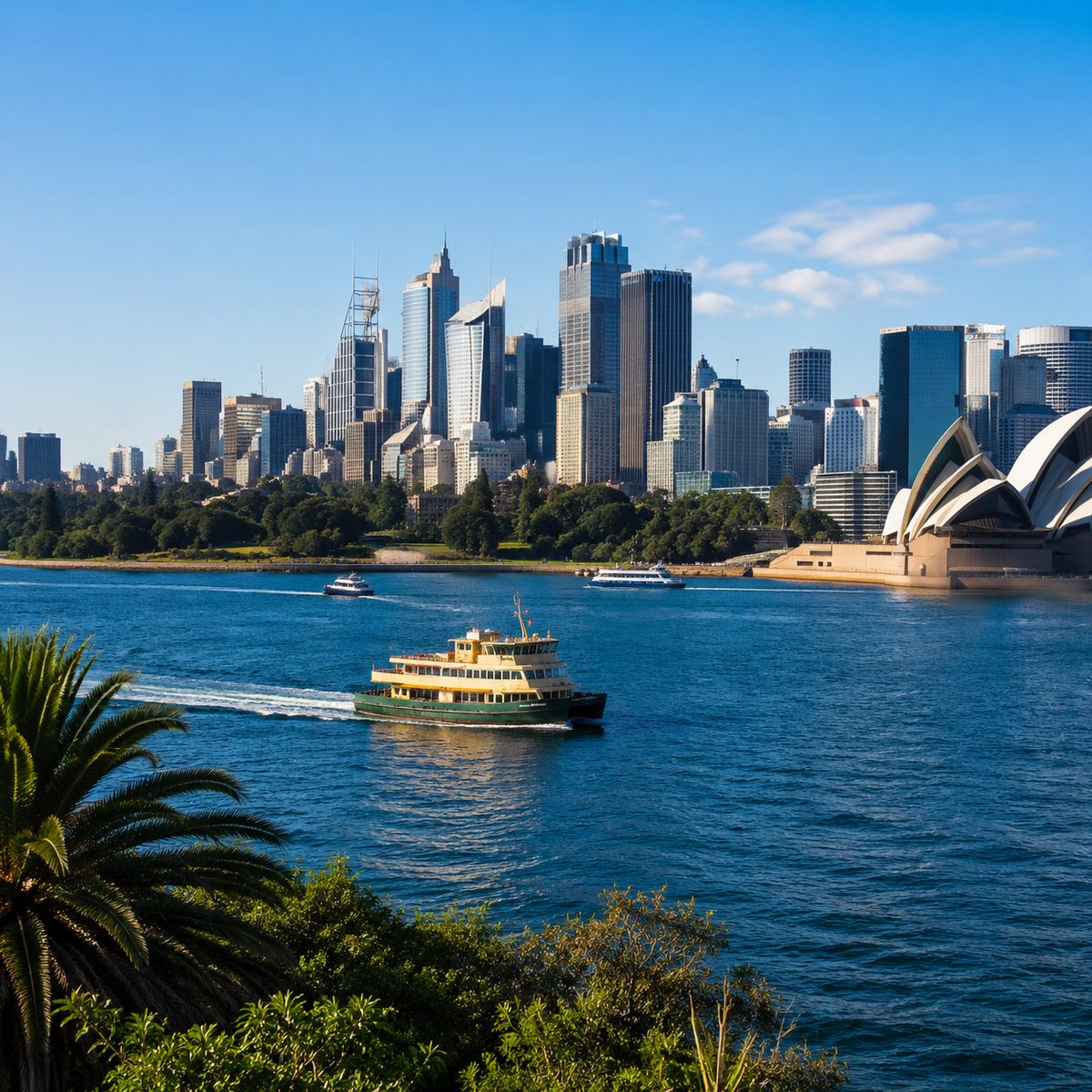
The top 10 best cities in the world are consistently led by Vienna, Copenhagen, Melbourne, Sydney, Vancouver, Zurich, Calgary, Geneva, Toronto and Osaka, based on liveability indices that measure stability, healthcare, culture, environment and infrastructure.
Cities are where most of us live now. More than half the world's population calls a city home. That number keeps climbing. So the question of which cities do it best matters more than ever.
But what makes a city great? That depends on who you ask. A young professional wants something different from a retiree. A tourist wants something different from someone raising kids. Still, certain cities keep rising to the top no matter how you slice it.
Let's look at what the evidence actually shows.
How Cities Get Ranked
The big ranking systems look at a handful of core things. The Economist Intelligence Unit scores cities on stability, healthcare, culture and environment, education and infrastructure. Mercer looks at quality of living for expats. Time Out surveys residents about how much they love where they live.
What criteria are used to rank the best cities in the world? The main ones are safety, public transport, healthcare access, green space, cultural life, economic opportunity and housing affordability.
No single city scores perfectly on all of them. But the cities that land in the top ten tend to be strong across most categories rather than exceptional in just one.
That consistency matters. A city with world-class museums but broken infrastructure is not a great city to live in. A city that is safe but has nothing to do gets old fast.
The Cities That Keep Appearing at the Top
Vienna has sat at or near the top of the Mercer Quality of Living index for over a decade. It has excellent public transport, low crime, strong healthcare and a cultural life that punches well above its size. The city is compact enough to be walkable but large enough to feel genuinely cosmopolitan.
Which city is consistently ranked number one in the world? Vienna holds that title most often, though Melbourne and Copenhagen regularly challenge for the top spot depending on the index used.
Copenhagen brings something different. It is a city built around cycling and sustainability. The Danes have made urban life feel genuinely liveable at a human scale. It is expensive, but residents consistently report high satisfaction with daily life.
Melbourne is the Australian city that keeps showing up. It held the Economist's most liveable city title for seven consecutive years. It has a strong cafe culture, excellent public transport by regional standards, world-class universities and a multicultural food scene that is hard to match anywhere.
Sydney offers similar strengths with the added drawcard of one of the world's great natural harbours. It is more expensive than Melbourne and more spread out, but the lifestyle appeal is undeniable.
Zurich and Geneva represent the Swiss model. Extremely high quality of life, excellent services, clean and efficient. Also extremely expensive. These cities work best for people with high incomes or expat packages.
Vancouver and Toronto show what Canadian cities do well. Both are multicultural, safe, well-governed and surrounded by natural beauty. Vancouver sits between mountains and ocean. Toronto is one of the most diverse cities on earth. Both face serious housing affordability challenges that drag on their rankings.
Calgary is the surprise entry that keeps appearing. Lower cost of living than Vancouver or Toronto, strong economy, easy access to the Rockies. It lacks the cultural depth of the bigger cities but scores well on the practical measures.
Osaka is the Japanese city that often edges out Tokyo in liveability surveys. It is more relaxed, more affordable and has a food culture that locals are fiercely proud of. Japan's infrastructure and public safety standards are exceptional across the board.
The Best Cities in the United States
American cities are a different conversation. The US has some of the world's most exciting cities but also some of the most challenging ones to actually live in.
What are the best cities to live in the United States? Cities like Austin, Denver, Minneapolis, Seattle and Raleigh consistently rank highest for quality of life, job growth and livability among American metros.
Austin has grown dramatically over the past decade. Strong tech economy, warm weather, relatively affordable by coastal standards. The growth has brought traffic and housing cost pressures but the energy of the city remains compelling.
Denver offers outdoor access that few American cities can match. The Rocky Mountains are right there. The economy is diversified and the city has invested seriously in its urban core.
Minneapolis surprises people. Cold winters, yes. But excellent parks, strong arts scene, good public services and a genuinely liveable urban environment. It consistently ranks among the top American cities for quality of life.
Seattle has the tech economy and the natural setting. Rain is real but overstated. The food scene is excellent and the city has genuine urban character.
New York, Los Angeles and Chicago are the cultural giants but they are harder places to live day to day. Cost, commute times and inequality are real factors that pull their liveability scores down even as their cultural and economic pull remains enormous.
What Makes a City Worth Visiting
Living in a city and visiting one are genuinely different experiences. A city that is great to live in is not always the most exciting to visit. And some cities that are difficult to live in are extraordinary to experience as a tourist.
What makes a city one of the best places to visit as a tourist? A concentration of distinct neighbourhoods, walkable streets, strong food culture, accessible public transport and a mix of history and contemporary life.
Paris is the obvious example. Difficult and expensive to live in for most people. Extraordinary to visit. The density of culture, history, food and architecture in a walkable city is almost unmatched.
Tokyo is another. The public transport system is the best in the world. The food at every price point is exceptional. The city is safe, clean and endlessly interesting. It rewards repeat visits in a way few cities do.
Melbourne sits in an interesting position here too. It is both a genuinely liveable city and a compelling place to visit. The laneway culture, the coffee, the sport, the multicultural food scene and the accessible day trips make it work on both levels.
Cost and the Best Cities
There is a real tension here that the rankings often gloss over.
Are the best cities to live in also the most expensive? Generally yes, the cities that score highest on liveability also tend to have high housing costs, though some mid-sized cities like Calgary and Adelaide offer strong liveability at lower cost.
Vienna is the exception that proves the rule. It scores at the top of most indices and remains more affordable than Zurich, London or Sydney. Social housing policy has kept rental costs lower than comparable European capitals. That is a political choice, not an accident of geography.
The Australian cities face a genuine affordability crisis right now. Melbourne and Sydney have seen housing costs rise dramatically over the past two decades. That puts pressure on the liveability scores that made them famous. A city where young people cannot afford to live is not as liveable as it looks from the outside.
Vancouver and Toronto face the same problem in Canada. The cities are excellent in many ways but the housing market has become a serious barrier to the quality of life they are supposed to represent.
Developed and Developing World Cities
The top ten lists are dominated by wealthy cities in wealthy countries. That reflects real differences in infrastructure, governance and resources. But it also reflects the limitations of the indices themselves.
How do the best cities differ between developed and developing countries? Cities in developing countries often have extraordinary cultural vitality, lower costs and rapid growth but face challenges with infrastructure, air quality and inequality that pull them down in formal rankings.
Cities like Medellín in Colombia, Nairobi in Kenya and Ho Chi Minh City in Vietnam have transformed dramatically in recent decades. They have energy and opportunity that the comfortable northern European cities sometimes lack. The formal rankings do not capture that well.
Singapore is the bridge case. A city-state in Southeast Asia that has achieved infrastructure and governance standards that match or exceed European cities. It is expensive, dense and tightly regulated. But it works extraordinarily well as a city.
The honest answer is that the best city depends on what you are optimising for. Safety and services? Vienna or Copenhagen. Career opportunity? New York or London. Outdoor lifestyle? Vancouver or Denver. Food and culture at low cost? Osaka or Lisbon. Multicultural energy? Melbourne or Toronto.
Why Melbourne Belongs in This Conversation
Melbourne's run at the top of the liveability rankings was not an accident. It reflected decades of investment in public transport, cultural infrastructure, universities and urban amenity. The city grew from a colonial grid into one of the world's most genuinely diverse urban environments.
The tram network is the largest in the world outside of a handful of European cities. The laneways that were once service alleys became the backbone of a cafe and bar culture that defined the city's identity. The multicultural communities that settled in Melbourne from the 1950s onward built food cultures that transformed the city's eating life.
Getting around Melbourne by public transport is central to experiencing it properly. The network connects the inner city, the suburbs and the major cultural institutions in ways that make the city accessible without a car.
Melbourne is not perfect. Housing costs have risen sharply. The outer suburbs are poorly served by public transport. But as a model of what a liveable city can look like, it remains one of the world's most instructive examples.
The Honest Summary
The top ten lists are useful starting points but they are not the final word. They measure what they can measure. They miss things that matter. The best city for you depends on your life, your priorities and what you are willing to trade off.
What the evidence does show clearly is that cities which invest in public transport, public space, cultural life and housing affordability tend to produce better outcomes for residents over time. That is not a complicated finding. But it requires sustained political will to act on.
The cities at the top of these lists did not get there by accident. They made choices. Other cities can make the same choices.
Frequently Asked Questions
What are the top 10 best cities in the world right now?
Vienna, Copenhagen, Melbourne, Sydney, Vancouver, Zurich, Calgary, Geneva, Toronto and Osaka consistently lead the major liveability indices.
What criteria are used to rank the best cities in the world?
Rankings measure stability, healthcare, culture, environment, education and infrastructure across a consistent scoring framework.
Which city is consistently ranked number one in the world?
Vienna holds the top spot most often across the major quality of living indices.
What are the best cities to live in the United States?
Austin, Denver, Minneapolis, Seattle and Raleigh rank highest for American liveability based on jobs, safety and urban quality.
What makes a city one of the best places to visit as a tourist?
Walkable neighbourhoods, strong food culture, accessible public transport and a mix of history and contemporary life drive tourist appeal.
Are the best cities to live in also the most expensive?
Usually yes, though Vienna and Calgary show that high liveability and relative affordability can coexist with the right policy choices.
How do the best cities differ between developed and developing countries?
Developing world cities often have greater cultural energy and lower costs but face infrastructure and inequality gaps that formal rankings penalise heavily.