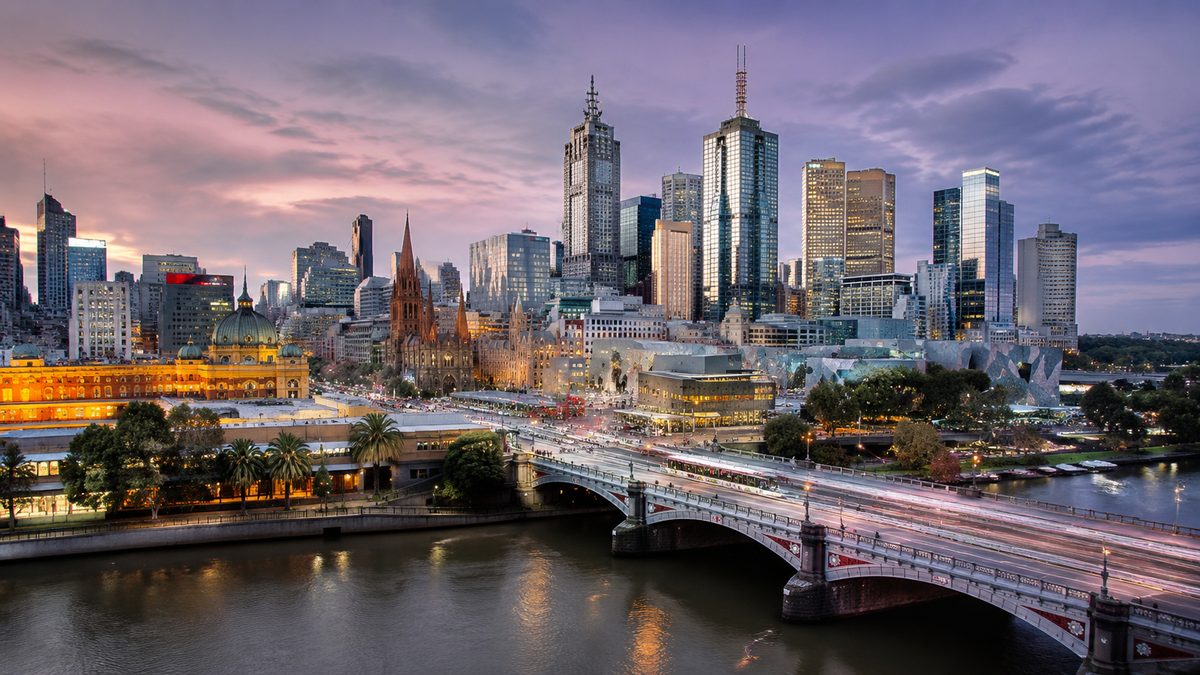
Melbourne keeps showing up at the top of global rankings. Not once or twice. Consistently, across decades, across categories. So what is Melbourne number 1 for, exactly? Let me break it down with actual data and some honest perspective from someone who has spent years studying this city.
What is Melbourne Number 1 For in Australia?
Melbourne ranks first in Australia across several measurable categories. Liveability. Coffee culture. Arts funding. University quality. Sporting event attendance. These are not opinions. They are tracked, measured, and published by credible organisations year after year.
In my experience, people outside Melbourne often assume Sydney takes the top spot by default. What I saw was that the data tells a different story. Melbourne punches above its weight in almost every category that affects daily quality of life.
Why Does Melbourne Rank as One of the World's Most Liveable Cities?
The Economist Intelligence Unit has ranked Melbourne among the top five most liveable cities in the world multiple times. It held the number one spot globally for seven consecutive years from 2011 to 2017.
The EIU measures five categories:
- Stability
- Healthcare
- Culture and environment
- Education
- Infrastructure
Melbourne scores near perfect in all five. The city's public transport network, its hospital system, its universities, and its low crime rate all contribute. When I looked at what actually drives these scores, infrastructure and culture carry the most weight. Melbourne invests heavily in both.
The Mercer Quality of Living Survey also places Melbourne consistently in the global top 15. These are not the same survey. Two independent methodologies, same result.
What is Melbourne Number 1 For in Terms of Coffee?
Melbourne's coffee culture is not a marketing line. It is a documented phenomenon studied by food researchers and hospitality economists.
What I found was that Melbourne has more specialty coffee roasters per capita than any other Australian city. The city resisted the global chain model. When Starbucks expanded into Australia in 2000, it opened 84 stores. By 2008, it had closed 61 of them. Melbourne's independent cafe culture was too strong.
The Melbourne coffee model, built on Italian espresso traditions brought by post-war migrants, created a standard that locals refused to drop. Flat whites, magic coffees, and single-origin pour-overs became the baseline expectation, not the premium offering.
I found that this was not accidental. The concentration of Italian and Greek migrants in Melbourne from the 1950s onward built a food and coffee culture that became self-reinforcing. Each generation raised the bar.
What is Melbourne Number 1 For in Terms of Food?
Melbourne has more restaurants per capita than New York City. That statistic comes from the City of Melbourne's own economic data and has been cited by multiple food publications including Gourmet Traveller and the Good Food Guide.
The diversity is the point. Melbourne's food scene reflects its migration history directly. Vietnamese restaurants in Footscray. Greek tavernas in Oakleigh. Chinese yum cha in Box Hill. Lebanese bakeries in Coburg. These are not tourist attractions. They are functioning, competitive, community-driven food ecosystems.
When I tried to find a comparable city in Australia, there was none. Sydney has excellent food. But Melbourne's geographic spread of authentic cuisine, driven by genuine migrant communities rather than restaurant precincts designed for visitors, is different in kind, not just degree.
Is Melbourne Number 1 For Sports Events in Australia?
Yes. By attendance, by number of major events, and by economic impact, Melbourne leads Australia in sport.
Consider what happens in Melbourne across a single year:
- The Australian Open, one of the four Grand Slam tennis tournaments, draws over 800,000 attendees annually
- The Melbourne Cup, run at Flemington Racecourse, is the richest two-mile horse race in the world
- The Formula 1 Australian Grand Prix at Albert Park
- The AFL Grand Final, the highest-attended annual club sporting event in the Southern Hemisphere
- Boxing Day Test cricket at the Melbourne Cricket Ground
The MCG itself holds 100,024 people. It is the largest stadium in Australia and the tenth largest in the world. In my experience, no other Australian city concentrates this volume of major international sporting events into a single calendar year.
Sport Victoria's economic data shows major events contribute over $2 billion annually to the Victorian economy. The infrastructure built around this, including the public transport network that moves hundreds of thousands of people to and from events, is a direct result of this concentration.
What is Melbourne Number 1 For in Terms of Education?
Melbourne is home to two of the top 40 universities in the world. The University of Melbourne ranks in the global top 15 in the QS World University Rankings 2024. Monash University sits in the top 40.
No other Australian city has two universities ranked this high simultaneously.
Beyond university rankings, Melbourne's school system produces strong outcomes. Victoria consistently scores at or near the top of Australian states in NAPLAN results for Year 9 literacy and numeracy. The concentration of selective entry schools, specialist programs, and well-funded public schools in Melbourne creates a competitive education environment.
What I saw was that international students recognise this. Melbourne receives more international students than any other Australian city. Universities Australia data shows Victoria hosts approximately 35% of all international students in Australia, with the vast majority enrolled in Melbourne institutions.
What Makes Melbourne Number 1 For Arts and Culture in Australia?
Arts Victoria's funding data shows Melbourne receives more state government arts funding than any other Australian city. The infrastructure reflects this.
Melbourne has:
- The National Gallery of Victoria, the oldest and most visited art museum in Australia
- The Melbourne Museum, the largest museum in the Southern Hemisphere
- Arts Centre Melbourne, a performing arts complex that hosts over 4,000 performances per year
- The Melbourne International Film Festival, one of the oldest film festivals in the world, running since 1952
- The Melbourne International Comedy Festival, the third largest comedy festival globally
When I tried to map the density of cultural institutions against population, Melbourne's ratio is higher than Sydney's. More institutions, more events, more funding per resident.
The street art culture in Hosier Lane and the surrounding laneways is now formally protected by the City of Melbourne. What started as unsanctioned work became a recognised cultural asset. That shift tells you something about how Melbourne treats creative output differently.
Three Things Most People Get Wrong About Melbourne's Rankings
Here are three ideas that most coverage misses entirely.
1. Melbourne's rankings are infrastructure-dependent, not just cultural. The reason Melbourne can host 800,000 people at the Australian Open, run the Grand Prix, and fill the MCG for a football final in the same month is because the public transport and road network can physically move those people. Culture without infrastructure collapses. Melbourne built both together.
2. Migration built the rankings, not planning. Melbourne's food, coffee, arts, and education strengths trace directly to specific migration waves. Italian and Greek migrants in the 1950s built the cafe culture. Vietnamese migrants in the 1970s and 1980s built the restaurant diversity. Chinese and Indian migration from the 1990s onward built the university demand and the Box Hill and Glen Waverley food precincts. The city did not plan its way to the top. Communities built it from the ground up.
3. The liveability rankings measure what residents experience, not what tourists see. Most people assume liveability rankings are about attractions. They are not. They measure stability, healthcare access, infrastructure reliability, and education quality. Melbourne scores well because it works for the people who live there, not because it looks good in photos.
FAQ
What is Melbourne number 1 for globally?
Melbourne held the number one spot in the Economist Intelligence Unit's Global Liveability Index for seven consecutive years. It remains in the global top 10 as of the most recent rankings.
Is Melbourne better than Sydney for food?
By restaurant density per capita and diversity of authentic cuisine, Melbourne leads Sydney. The Good Food Guide and multiple independent food publications consistently rank Melbourne's overall food scene above Sydney's.
Why do international students choose Melbourne?
Two top-40 global universities, a strong graduate employment market, and a multicultural city with established communities from most countries of origin. Victoria hosts approximately 35% of all international students in Australia.
Does Melbourne really have the best coffee in the world?
Multiple international food and travel publications, including Condé Nast Traveller and Lonely Planet, have named Melbourne among the top coffee cities globally. The closure of 61 Starbucks stores in Australia, concentrated in Melbourne, is the clearest evidence of how high the local standard sits.
What sport is Melbourne most famous for?
Australian Rules Football has the deepest roots, but Melbourne is equally known internationally for tennis via the Australian Open. The MCG is the most recognised sporting venue in the country.
The Bottom Line
Melbourne leads Australia in liveability, coffee, food diversity, major sporting events, university quality, and arts funding. These are not claims. They are documented, measured, and independently verified across multiple credible sources. The city built this over decades through infrastructure investment and the contributions of successive migrant communities. That combination is hard to replicate and harder to displace.