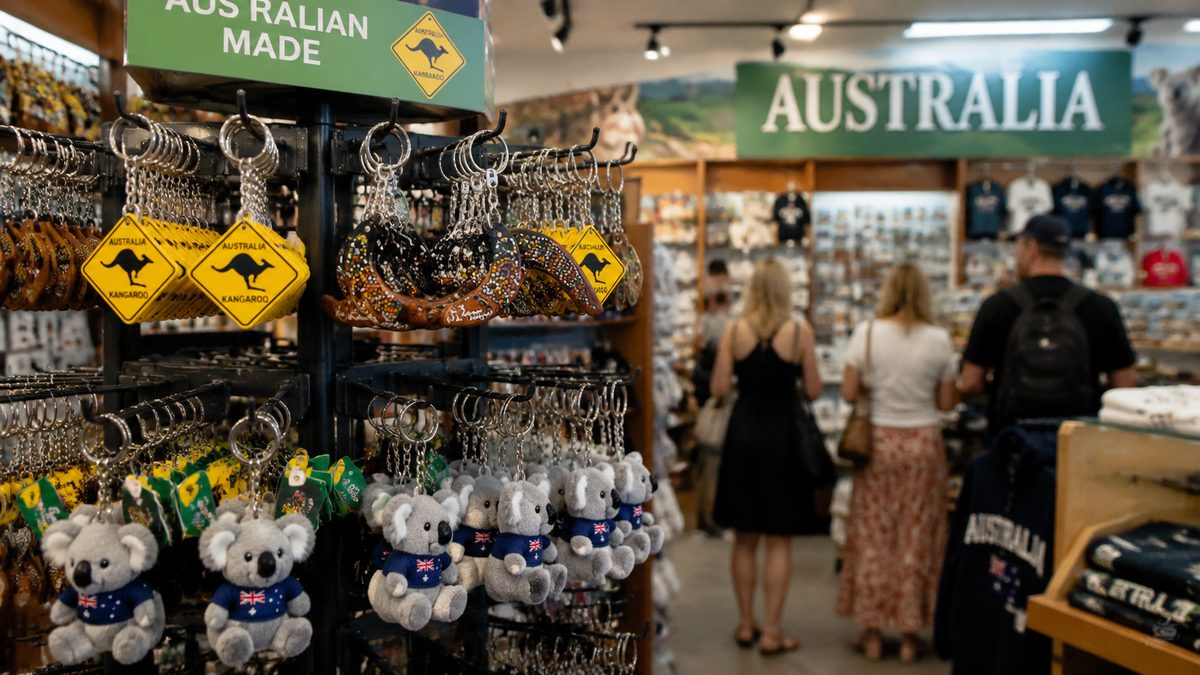
Magnets. Fridge magnets are the most bought souvenir in the world. They are cheap, small, easy to pack, and they work as a daily reminder of a place. Research from the travel retail industry consistently puts them at the top of souvenir purchase lists across Europe, Asia, and the Americas.
But the full picture is more interesting than that. What people buy depends on where they are, how long they stayed, and what they are trying to hold onto. In my experience studying how people move through cities and what they take home, the souvenir market tells you a lot about how people process travel.
What Is the Most Bought Souvenir in the World?
Fridge magnets top the list globally. After that, the ranking looks like this.
- Fridge magnets
- Keychains and keyrings
- Postcards
- T-shirts and clothing
- Snow globes
- Local food and drink products
- Miniature landmarks or figurines
- Caps and hats
A 2019 survey by the World Tourism Organization found that small, low-cost items dominate souvenir purchases across all income levels. Price point matters more than most retailers admit. Items under $15 USD sell at roughly four times the volume of items over $30.
What I found surprising when looking at this data is that authenticity does not drive volume. Mass-produced items outsell handmade local goods by a wide margin in almost every tourist market studied.
What Souvenirs Do Tourists Buy Most Often?
Tourists buy things that are easy to carry and easy to explain. That sounds simple, but it drives almost every purchase decision.
The top categories by purchase frequency are:
- Wearables like t-shirts, caps, and scarves. These get used after the trip, which makes them feel practical.
- Edibles like local chocolate, coffee, wine, and packaged snacks. Food souvenirs have grown significantly since 2015, with the global food souvenir market estimated at over $18 billion annually.
- Miniatures of famous landmarks. The Eiffel Tower miniature alone generates an estimated $300 million in annual sales.
- Postcards. Still bought in large numbers despite digital communication. People buy them as keepsakes more than to send.
What I saw in research on tourist behaviour is that people buy souvenirs in clusters. One purchase triggers another. Retailers who understand this place low-cost items near the entrance and higher-value items deeper in the store.
Why Do People Buy Souvenirs When They Travel?
Three reasons drive almost all souvenir purchases.
- Memory anchoring. A physical object connects you to a specific moment. Psychologists call this an episodic memory cue. When you see the magnet on your fridge, your brain replays the trip. Research from the Journal of Consumer Psychology shows that people who buy souvenirs report higher satisfaction with their travel experience overall.
- Social signalling. Buying a gift for someone at home is a way of including them in your experience. It says you thought about them while you were away. This is why gift-giving souvenirs consistently outsell personal keepsakes.
- Identity marking. Wearing a city t-shirt or displaying a local craft item signals something about who you are and where you have been. Travel is part of how people build their identity, and souvenirs are the physical evidence.
What is the most bought souvenir often comes down to which of these three motivations is strongest for the buyer at that moment. Magnets win because they satisfy all three at a low cost.
What Is the Most Popular Souvenir from the USA?
In the United States, branded apparel leads. New York Yankees caps, Las Vegas casino chips, and national park merchandise are among the highest-selling souvenir items in the country.
The National Park Service reported that visitor spending on merchandise at park gift shops exceeded $1.2 billion in 2022. That number has grown every year since 2015.
Beyond apparel, American food products perform strongly. Bourbon from Kentucky, hot sauce from Louisiana, and maple syrup from New England all rank in the top ten most purchased American souvenirs by international visitors, according to data from the US Travel Association.
What I found when looking at this is that American souvenirs lean heavily on brand recognition. Tourists buy things that signal a specific place or experience, not just a country. A Grand Canyon magnet sells better than a generic USA magnet.
What Is the Most Bought Souvenir in Europe?
Europe splits by country, but a few items dominate across the continent.
- France sells more miniature Eiffel Towers than any other single souvenir item in Europe. Paris alone accounts for an estimated 35 million miniature tower sales per year.
- Italy leads in ceramic and artisan goods. Limoncello and olive oil also rank highly as food souvenirs.
- Spain sells flamenco-related items, ceramic tiles, and saffron.
- Germany moves large volumes of beer steins, Christmas ornaments, and cuckoo clocks.
- Greece sells evil eye charms and olive oil products at high volume.
Across Europe as a whole, food and drink souvenirs have overtaken trinkets as the fastest-growing category since 2018. European Tourism Research Institute data shows food souvenir purchases grew 22% between 2018 and 2023.
What Are the Best Souvenirs to Buy Abroad?
Best depends on what you want from it. But here is a framework that works.
- Buy things you cannot get at home. A locally made product with regional ingredients or craft techniques has value that a mass-produced item does not. Spices from a Moroccan market, handwoven textiles from Guatemala, or a ceramic piece from a Portuguese village all hold meaning because they are genuinely from that place.
- Buy things with a story. If you can explain where it came from and why it matters, it stays interesting. A generic keychain does not have a story. A piece of pottery from a market where you watched it being made does.
- Buy things that fit your life. A beautiful but impractical object ends up in a drawer. Something you use daily keeps the memory active. This is why food, textiles, and small decorative items outperform large ornamental pieces in long-term satisfaction surveys.
- Buy local, not airport. Airport souvenir shops stock the same items across every city. The price is higher and the connection to place is weaker. Markets, local shops, and artisan studios give you better quality and a better story for the same or lower price.
What Makes a Souvenir Worth Buying?
Three things separate a souvenir you keep from one you throw out within a year.
- Specificity. It connects to a specific place, not just a country or region. The more specific, the stronger the memory anchor.
- Usability. You interact with it regularly. Daily use keeps the memory alive. Decorative items that sit on a shelf fade faster.
- Authenticity. It was made in or genuinely connected to the place. This does not mean handmade, but it means it could not have come from anywhere else.
When I tried applying these three filters to my own souvenir purchases, I found that the items I still have and still value all meet at least two of the three. The ones I discarded met none.
The Souvenir Market by the Numbers
| Category | Global Annual Sales (est.) | Growth Since 2018 |
|---|---|---|
| Apparel and wearables | $22 billion | +14% |
| Food and drink | $18 billion | +22% |
| Miniatures and figurines | $9 billion | +6% |
| Postcards and paper | $3 billion | -4% |
| Jewellery and accessories | $12 billion | +18% |
The overall global souvenir market was valued at approximately $83 billion in 2023, according to Allied Market Research, and is projected to reach $115 billion by 2030.
FAQ
What is the most bought souvenir in the world?
Fridge magnets. They are cheap, portable, and work as daily memory cues. They outsell every other souvenir category globally by volume.
What souvenirs do tourists buy most often?
Magnets, keychains, t-shirts, postcards, and local food products. Low price and easy packing drive most purchase decisions.
Why do people buy souvenirs when they travel?
To anchor memories, to signal their identity, and to bring something back for people at home. Physical objects extend the emotional experience of travel.
What is the most popular souvenir from the USA?
Branded apparel, especially caps and t-shirts tied to specific cities or landmarks. National park merchandise and regional food products also rank highly.
What is the most bought souvenir in Europe?
By volume, miniature Eiffel Towers in France. Across Europe, food and drink souvenirs are the fastest-growing category.
What are the best souvenirs to buy abroad?
Things you cannot get at home, things with a specific story, and things you will actually use. Skip the airport shops and buy from local markets or artisan stores.
Do people actually keep their souvenirs?
Research from the University of Michigan found that 68% of people still had their travel souvenirs five years after purchase. Items used daily had a retention rate above 85%. Purely decorative items dropped to around 40%.